

Healthy Eating Advice for Older Adults
April 23, 2026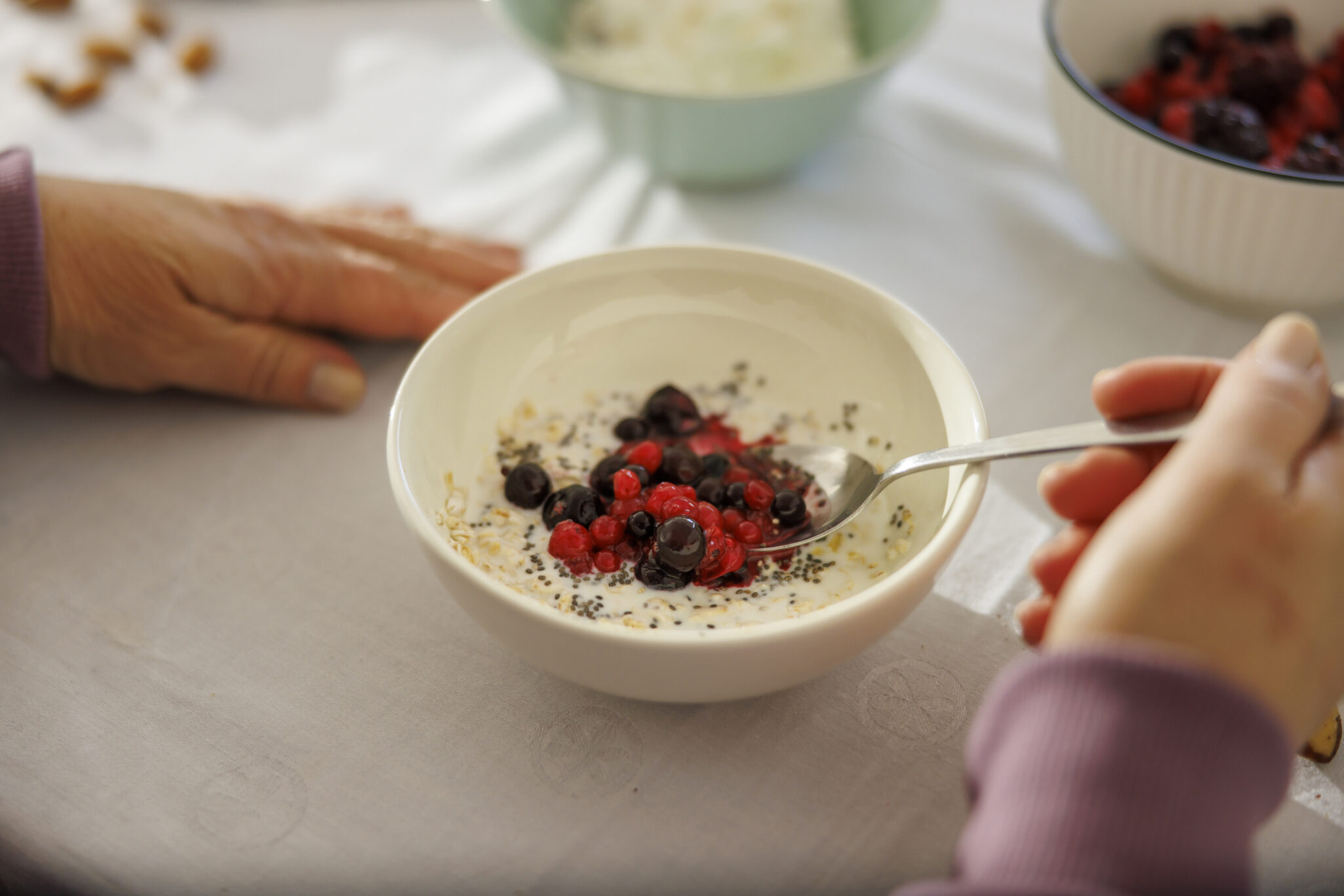
As we age, our nutritional needs evolve with our bodies. Food is the essential fuel necessary to maintain a vibrant and lively lifestyle. Whether you’re already enjoying a healthy diet or are looking to improve your eating habits, it’s crucial to know the specific nutrients seniors need for healthy aging. Discover how to eat well and stay nourished with these healthy eating tips for seniors from Wesley Pines, an active senior living community in Lumberton, NC.
How Healthy Eating Helps
How you feed your body is just as important as staying physically active. A well-planned senior diet can support healthy weight, muscle maintenance, boost energy levels, and help prevent or mitigate conditions like high blood pressure, diabetes, and osteoporosis. Thoughtful and nutritious food choices can provide daily benefits, helping you feel more satisfied, energetic, and nourished overall.
Metabolism naturally slows with age, therefore we need fewer calories to maintain a healthy body and weight. As a result, portion awareness and senior meal planning become increasingly important.
So what is a balanced diet for seniors? Important nutrients include potassium, calcium, vitamin C, dietary fiber, and vitamin B12. A colorful plate with protein, vegetables, fruit, whole grains, and dairy is a fantastic way to make sure you’re eating all your food groups.
Healthy Foods for Seniors
- Lean Proteins: Protein plays a key role in many of the best meals for seniors. It helps to maintain and restore muscle mass, strengthen the immune system, and provides lasting energy. While heavily processed meats like hot dogs, hamburgers, and deli meats should be avoided, lean protein choices are crucial, such as:
- Seafood
- Dairy, like Greek yogurt, cottage cheese, and milk
- Soy products
- Legumes, like chickpeas, beans, lentils, and nuts
- Dense greens, like spinach, Brussels sprouts, broccoli, and peas
- Eggs
Vitamin B12 is also found in all the animal products above. This nutrient is important because the body’s ability to absorb vitamin B12 can decline with age, so a protein-based diet makes sure the body gets the nutrients it needs.
- Healthy Greens: Vegetables are fundamental to any senior menu. Leafy greens are a great source of fiber, which is important for digestion, heart health, and blood sugar control, while also reducing the risk of chronic illnesses. In addition to these benefits, eating vegetables can help to add calcium, vitamins A and K, and iron to your diet. Good greens to include when cooking for seniors are:
- Spinach
- Kale
- Chard
- Arugula
- Fruits: Fruit adds sweetness and nutrition to any healthy diet, helping to create a well-rounded, colorful plate. While it’s important to be aware of sugar intake, the natural sugars found in fruit can help satisfy sugary cravings while also providing fiber, magnesium, and vitamin C. Healthy and tasty fruits include:
- Dark berries, such as raspberries, blueberries, and dark cherries
- Citrus fruits like oranges, grapefruits, and tangerines
- Bananas
- Dried fruits like prunes, apricots, and dates
- Whole Grains: Carbohydrates make meals more filling and satisfying. But instead of eating refined grains, opt for whole-grain options. Whole-grain foods are full of healthy fats and fibers, and have been shown to reduce the risk of diabetes and heart disease. Consider adding healthy whole grain carbohydrates to your diet, like:
- Oats
- Brown rice
- Barley
- Quinoa
- Whole wheat bread or pasta
- Calcium: Getting enough calcium is important at every stage of life. When you’re young, you’re told drinking lots of milk will help you be strong and healthy, and this is true for seniors as well. Calcium strengthens your bones, supports muscle function, and is essential for preventing osteoporosis. Great sources of calcium include:
- Milk, yogurt, and cheese
- Fortified dairy substitutes, like soy, almond, and oat milk
- Legumes like white beans, edamame, and soybeans
Because metabolism slows as we get older, it’s best to avoid empty calories from highly processed foods, sugary beverages, saturated fats, sweets, and alcohol. These options provide little nutritional value, and are especially harmful when chosen instead of healthier options. When in doubt, inspect nutrition labels and consult your doctor for more healthy eating advice for seniors.
Healthy Eating at Wesley Pines
At Wesley Pines, our culinary team strives to create dining options that are as flavorful as they are nutritious. We work with a registered dietitian to plan our menu, cook with the freshest ingredients available, and provide alternative options for dietary needs and preferences. Our welcoming, restaurant-style atmosphere offers the perfect environment to enjoy healthy and delicious meals, planned and prepared for you.
Contact us today to learn more about Wesley Pines in Lumberton, NC, and discover a community that supports a healthy, active lifestyle.